Coastal Restoration Trust of New Zealand
Donate Facebook
  • Home
  • About us
    • Trustees
  • Dune restoration
    • How dunes work
    • Plants & animals
    • Restoration planning
  • Coast Care groups
    • Coast Care groups map
    • Success stories
    • Join the Coastal Restoration Trust
  • Projects
    • Saving Our Coastal Cultural Heritage: A New National Project Begins
    • Videos and workshops
    • Tūhaitara coastal sequence
    • Coastal Database 2015 - ongoing
    • Coastal buffers 2019 - 2021
    • Koi carp 2016-2020
    • Outreach 2016-2019
    • Restoration monitoring 2016-2018
    • Restoration of difficult sand dune sites 2015-2018
    • Backdune restoration 2011-2014
  • Resources
    • CRT resources
    • External resources
  • News
    • Annual conference
    • Online events
    • Newsletters
    • Media articles
  • Awards
    • Pīngao & Toheroa Trophy
    • Post-graduate Scholarship
    • Coastal Restoration Award
    • Best Coastal Community Group Award 2009-2018
    • Best Coastal Restoration Project Award 2009-2018
  • Partners
    • Join the Coastal Restoration Trust
    • Research Partners
  • Contact
  1. Home
  2. News

News

Category:

  • All
  • News
  • Flora & fauna

We love hearing local news and can advertise the events that you have coming up, here and on our Facebook page, so please submit those to [Enable JavaScript to view protected content] and we will share them.

Shellfish collection closed at Marsden Bank and Mair Bank, Whangarei.
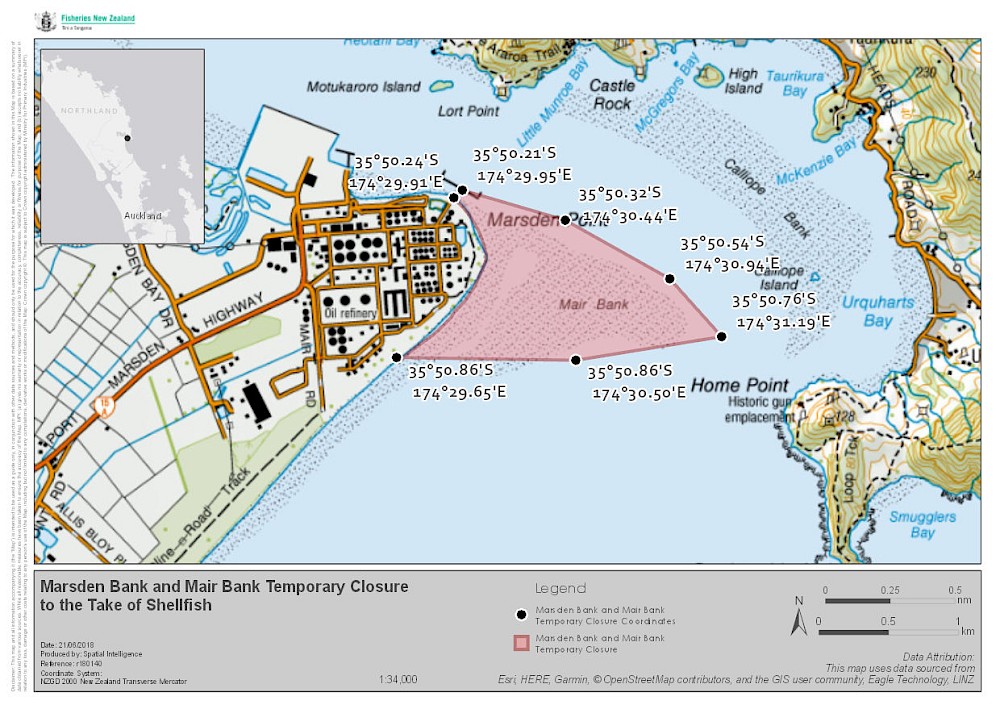
The Marsden Bank and Mair Bank temporary closure to the take of all shellfish comes into effect today, Wednesday, 29 June 2022. It will end on Friday, 28 June 2024. The closure is made pursuant to section 186A of the Fisheries Act 1996.

Shellfish means and includes all species of the phylum Echinodermata and phylum Mollusca and all species of the
class Crustacea at any stage of their life history, whether living or dead.

More information (PDF, 32.17 kB).

Posted: 29 June 2022
New report on effects of sediments on birds

A report on the effects of sediments on coastal birds was commissioned by the Department of Conservation and has just been published. In it the known effects of marine sediment on New Zealand’s 87 seabird species and 47 shorebird species were discussed in this report. Knowledge gaps were also highlighted.

Known effects of sediment

Sedimentation events are both cumulative, where sediment accumulates slowly over time, or catastrophic, where sediment is rapidly deposited, often following severe rainfall. Both types affect seabirds and shorebirds.

The report notes that there is relatively little published literature about the effects of sediment on birds. Some information is available about how:

  • turbidity caused by sedimentation can affect seabirds that hunt visually, including terns, shags and penguins
  • sedimentation can indirectly affect seabirds and shorebirds by affecting the marine food web (especially macroinvertebrates)
  • sedimentation reduces light penetration, smothers the seafloor and changes the composition of marine ecosystems.

Use of the Resource Management Act to address sedimentation

The effects of sediment have been addressed with the Resource Management Act in several different situations. Examples included in the report are:

  • Okura Estuary urban development
  • forestry in the Marlborough Sounds and its impact on king shags/kawau
  • sedimentation in the southern Firth of Thames and its impact on shorebirds
  • regional and district plans in Otago and yellow-eyed penguin/hoiho foraging
  • New Zealand fairy terns/tara iti and mangrove removal
  • coastal birds in the Motiti Natural Environment Management Area
  • sand mining at the South Taranaki Bight
  • dredging of Port Otago and its impact on coastal birds.

To read more and/or to download the report go here, from where these words were taken.

Posted: 17 December 2021

Vigilance urged on toxic weed found near coastline

People are encouraged to report sightings of sea spurge, an invasive weed that grows just above the high tide mark on some of our beaches. It arrived from Australia by sea and was first spotted in NZ in 2012. Here is a recent article about it. You can find photos on the NZPCN website.

Please contact your local regional council if you see any.

Our database has many articles about it if you want to know more detail.

Posted: 20 January 2021

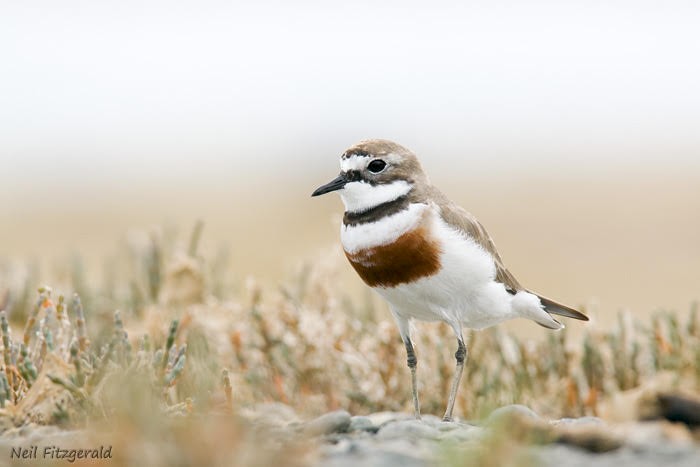
Vote for the endangered banded dotterel/pohowera

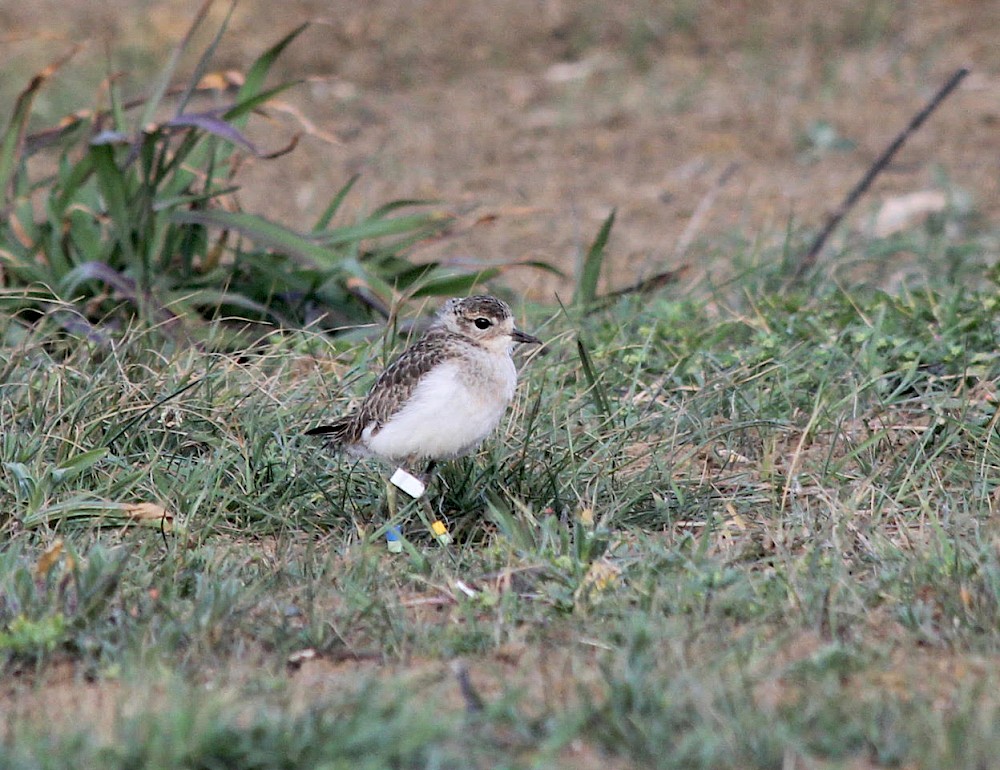
Photo by Neil Fitzgerald, www.neilfitzgeraldphoto.co.nzPhoto by Neil Fitzgerald, www.neilfitzgeraldphoto.co.nz

Vote for the banded dotterel / Pohowera, which is in serious trouble. VOTING IS NOW CLOSED. We’ll try again next year!

Threats to this cute little coastal bird include:

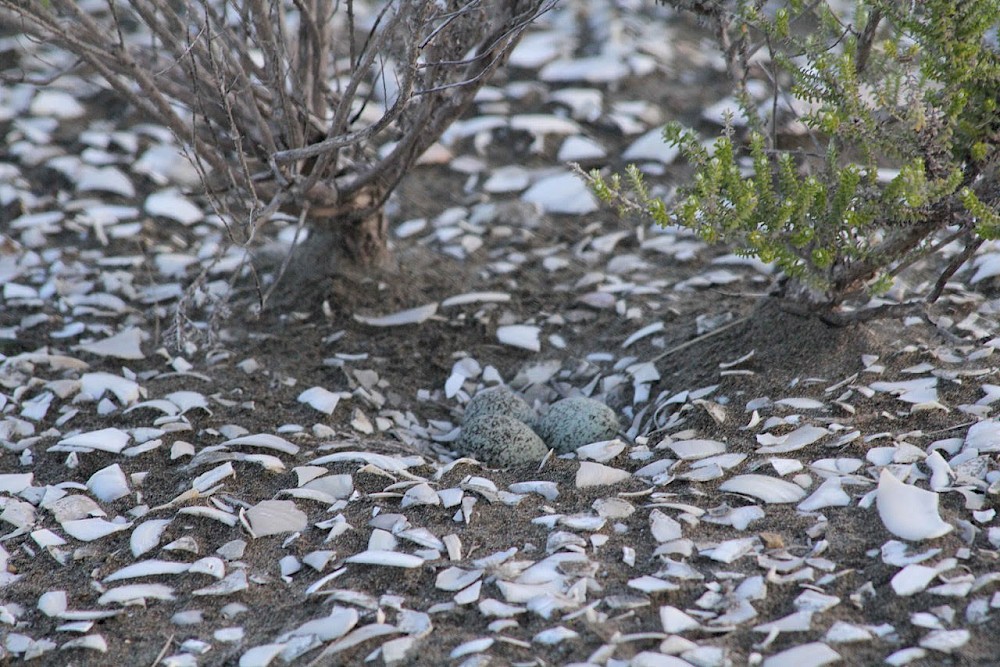
* Human disturbance including vehicle and foot damage to nests, which are almost impossible to spot on the beach, and general interference.

Photo by Karen OpiePhoto by Karen Opie* Predation, especially during nesting by mammal pests and gulls.

* Invasive plants like marram grass, lupins and wilding pines, can degrade nesting areas

Photo by Karen OpiePhoto by Karen Opie

If you want to give it the best chance of winning this competition, ONLY vote for this bird. Make sure you validate your vote by entering the code or it won’t count!

Watch a lovely video about the banded dotterels of Kaikōura here.

Photos: top: adult in breeding plumage, middle: juvenile, bottom: eggs in ‘nest’.

https://www.birdoftheyear.org.nz/banded-dotterel

Posted: 11 November 2020

Beach Creatures

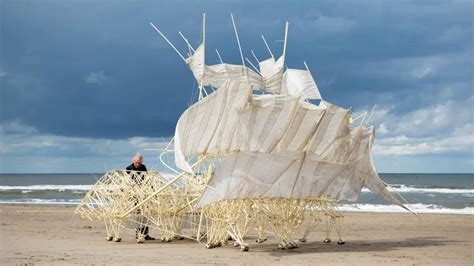
You may have seen this before, but it is amazing art that walks over the beaches of the Netherlands. The music added makes it extra special. Enjoy!

Artist, Theo Jansen, dreams of developing one to such an extent that it lives by itself on the beach after he dies. Considering that they are mostly made from PVC piping, that is not a good idea.

Posted: 13 July 2020

Prev page
Page 1 of 5
Next page
  • News
    • Annual conference
      • Ūawa Tolaga Bay 2025
      • Kāwhia 2024
      • Auckland 2023
      • Whanganui 2021
      • Southland 2020
      • Warkworth 2019
      • Petone 2018
      • Christchurch 2017
      • Gisborne 2016
      • Whitianga 2015
      • New Plymouth 2014
      • Nelson 2013
      • Pre-2013 conferences
    • Online events
    • Newsletters
    • Media articles

Subscribe to our newsletter

© 2026 Coastal Restoration Trust of New Zealand • Website by RS

Donate
  • Home
  • About us
    • Trustees
  • Dune restoration
    • How dunes work
    • Plants & animals
      • Foredune species
      • Backdune species
      • Lizards
    • Restoration planning
  • Coast Care groups
    • Coast Care groups map
    • Success stories
    • Join the Coastal Restoration Trust
  • Projects
    • Saving Our Coastal Cultural Heritage: A New National Project Begins
    • Videos and workshops
    • Tūhaitara coastal sequence
    • Coastal Database 2015 - ongoing
    • Coastal buffers 2019 - 2021
    • Koi carp 2016-2020
    • Outreach 2016-2019
    • Restoration monitoring 2016-2018
    • Restoration of difficult sand dune sites 2015-2018
    • Backdune restoration 2011-2014
  • Resources
    • CRT resources
      • Our Coast video series
      • Regional coastal restoration videos
      • Planting Calculator
      • Coastal Restoration Handbook
      • Coastal Reference Database
      • Coastal Monitoring Database
      • Photo gallery
      • Signage templates and examples
      • Frequently asked questions (FAQ)
    • External resources
      • School Resources
      • Research bulletins & reports
      • Links
      • Podcasts & DVD clips
  • News
    • Annual conference
      • Ūawa Tolaga Bay 2025
      • Kāwhia 2024
      • Auckland 2023
      • Whanganui 2021
      • Southland 2020
      • Warkworth 2019
      • Petone 2018
      • Christchurch 2017
      • Gisborne 2016
      • Whitianga 2015
      • New Plymouth 2014
      • Nelson 2013
      • Pre-2013 conferences
    • Online events
    • Newsletters
    • Media articles
  • Awards
    • Pīngao & Toheroa Trophy
    • Post-graduate Scholarship
    • Coastal Restoration Award
    • Best Coastal Community Group Award 2009-2018
    • Best Coastal Restoration Project Award 2009-2018
  • Partners
    • Join the Coastal Restoration Trust
    • Research Partners
  • Contact
  • Facebook
  • Donate
  • Search...